
How to effectively run construction projects in 2026
It’s almost the end of 2025, and we are still managing every architecture and construction project via email, drawings are on shared folders, and specifications are in countless Excel spreadsheets. Nobody can tell you with certainty which file is the most recent version or where that one crucial decision was made, let alone by whom, even though everyone is occupied with "coordinating."
By transforming disorganised project data into a single, shared source of truth for architects, engineers, contractors, and suppliers, a digital platform for construction projects like VOLUM3 could simplify everything.
Why should a Common Data Environment matter to me?
On a typical job, information is scattered across PDFs, emails, chat threads, and multiple versions of Excel sheets. When an architect updates a detail, the contractor might not see it immediately. When a supplier sends a new product variant, it may sit in someone’s inbox instead of making its way to the specification management system. A common data environment for construction centralises these pieces so they can be managed, searched, and reused.
Source: Canva
For project managers and investors, a construction collaboration platform means better visibility into what is happening on each project without chasing updates. For architects and engineers, it means fewer manual repetitions and less risk of building from outdated drawings or specifications. For contractors and manufacturers, it means clear, traceable information instead of guessing which version of the document is the correct one.
Managing everything in one construction project management software
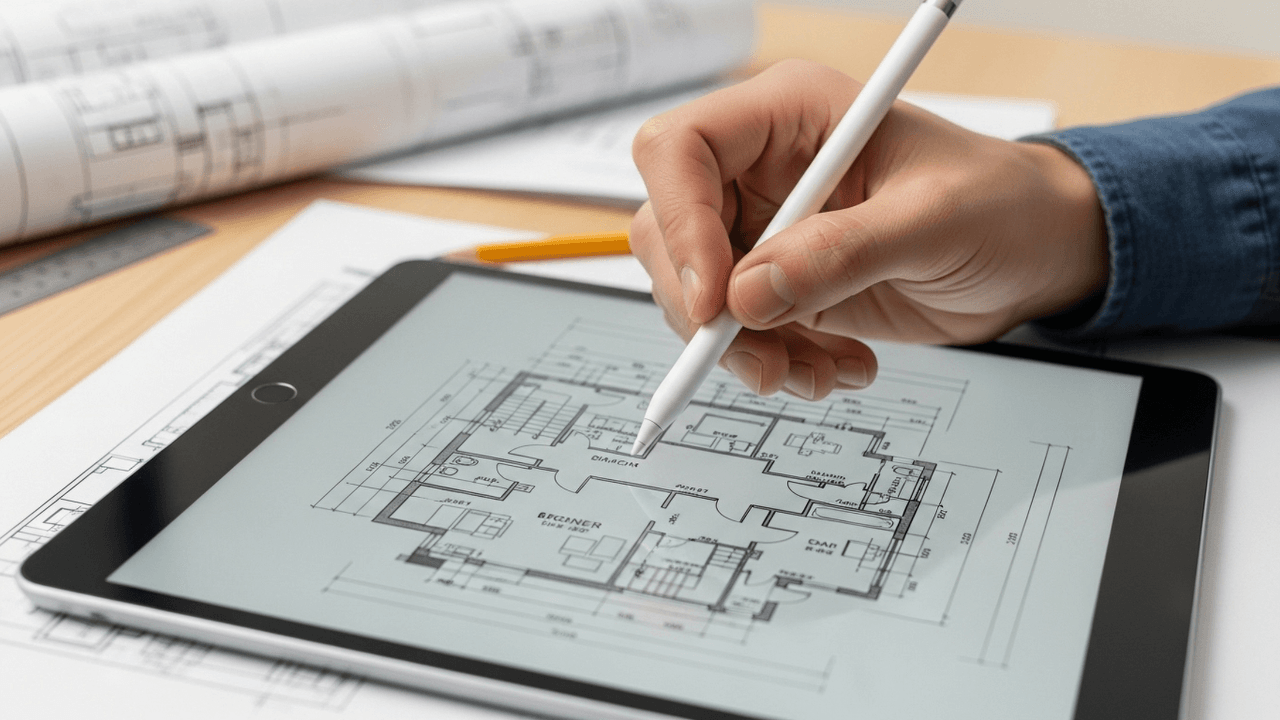
Every project still relies heavily on drawings, but coordination is greatly impacted by how they are communicated and preserved. Previous revisions are still available when a new one is submitted, but it is obvious which is the most recent.
The entire team benefits from this type of structured drawing management: project managers can easily see what has changed, contractors are certain they are always looking at the correct version on site, and architects can confidently publish updates. The log is integrated into the architecture project collaboration platform and is automatically updated, as opposed to separate logs in Excel.
When communication is linked to particular objects, such as drawings, locations, or specification items, instead of existing in lengthy email threads, a digital platform for building projects becomes truly powerful. Users can create issues directly from what they see in task and meeting modules, such as "fix this clash," "confirm this material," and “update this dimension.”
A project collaboration platform enables teams to create agendas, assign tasks, and monitor due dates in one location for coordinating meetings. Decisions remain connected to their impact rather than exporting notes to another document. Project managers who need to keep many disciplines working together without continuously duplicating content between programs will find this type of task management very helpful.
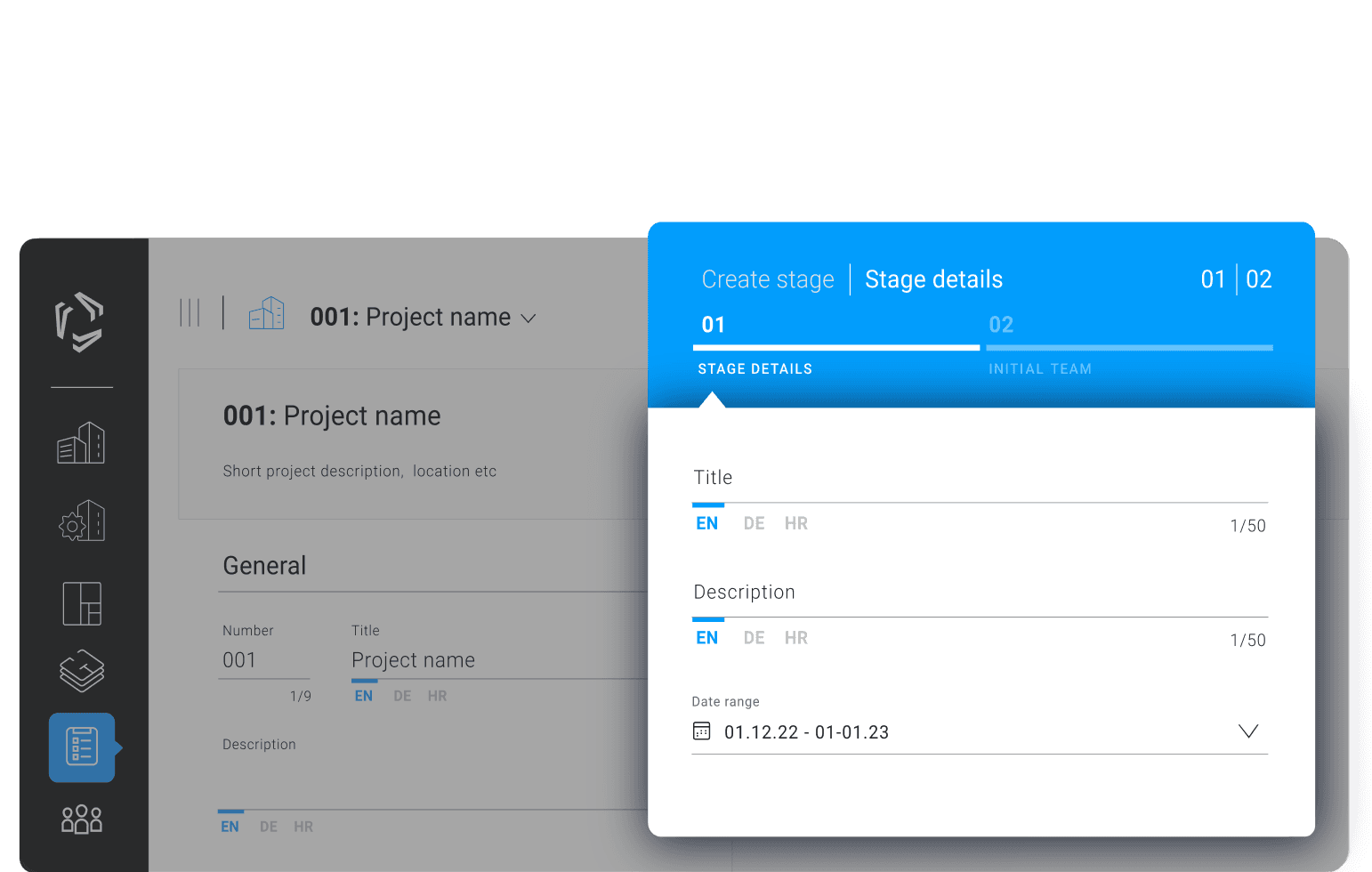
From Excel to Management Software
Specifications are often where the risk lies: wrong product codes, missing performance criteria, or unclear scope. Many teams still handle this in separate spreadsheets that are hard to maintain and even harder to keep aligned with drawings and contracts. Specification management software helps by turning those spreadsheets into structured, relational data.
In VOLUM3, architects can create interactive schedules for doors, windows, finishes, furniture, and equipment instead of building them in Excel. These interactive schedules let users define attributes such as dimensions, materials, fire ratings, or acoustic performance in a consistent way across the whole project. Changes made to one item can be tracked and filtered, and the data can be exported when needed, but the “master” version lives in the online system where everyone can access it.
Interactive schedules act as living databases where project teams can search, filter, and compare specification data in real time. For example, an architect can quickly see all doors with a certain fire rating, or all finishes within a specific area of the building.
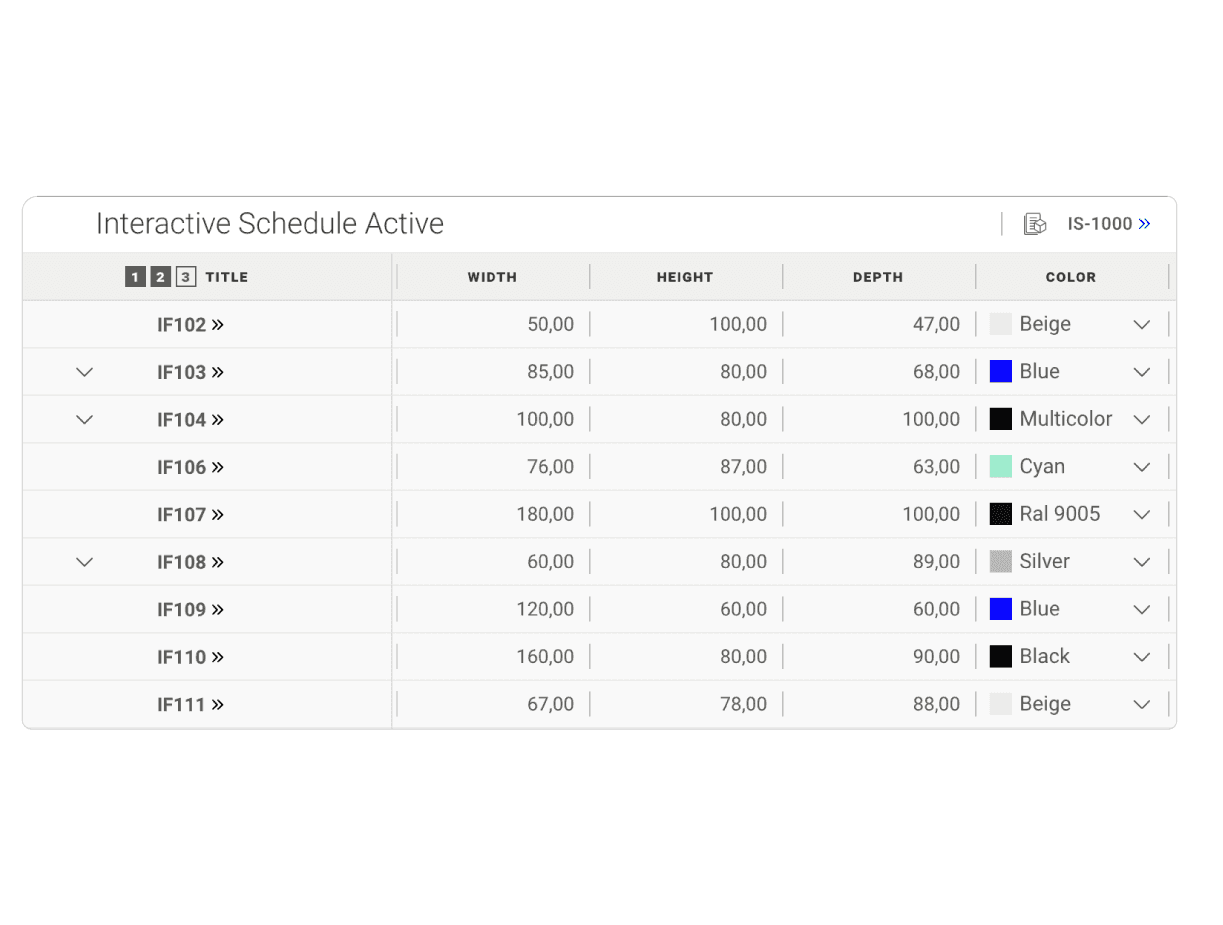
Because these schedules live inside a construction collaboration platform, they can be linked to drawings, tasks, and even products from manufacturers. When a specification changes, there is no need to manually update ten different files; the change is made once and reflected everywhere it needs to appear.
Data that works with you
One of the most underrated advantages of using a digital platform is the ability to reuse what already works. A products module (essentially a product and materials library) lets teams create structured entries for finishes, fixtures, equipment, and furniture. This turns a one‑off specification into a resource for future projects.
Interior designers and architects benefit from having a curated catalogue instead of reinventing the wheel each time. Contractors and suppliers see clearer product descriptions and fewer ambiguities. Over time, a “digital memory” of previous choices emerges: which products performed well, which were approved quickly, and what alternatives exist.